About Power Cables
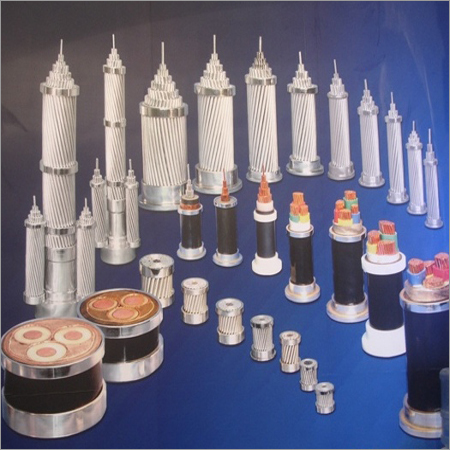
The dedication of our dexterous workforce to their profession enables us manufacture, export and supply a qualitative spectrum of Power Cables. Immensely cherished among our esteemed clients due to its high tensile strength and resistivity towards high temperature & other adverse circumstances, the provided cables are manufactured with the usage of excellent grade raw material. These cables are used in the wiring of furnace, ovens, heaters and industrial wiring under harsh working conditions. In addition to this, these Power Cables are made available at pocket friendly prices.
Features:
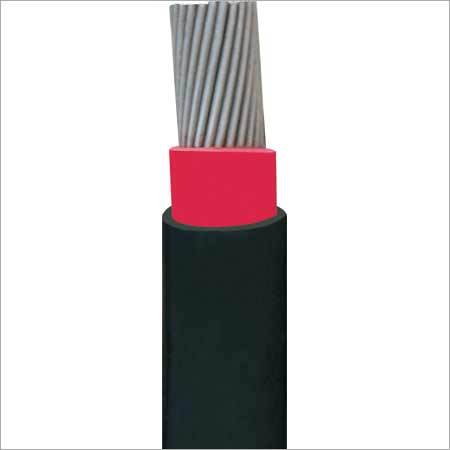
Durable Armour for Enhanced ProtectionOur power cables come with steel or aluminum wire armour, offering superior mechanical protection in demanding industrial environments. Armour ensures resistance against physical stress and abrasion during installation or operation, making them ideal for underground and outdoor applications. Unarmoured options are also available for areas where additional mechanical protection is not required. Each type is engineered according to IS/BS standards, meeting the specific needs of your project.
Flexible Sheath Materials and Flame RetardancyChoose from PVC, HDPE, or LSZH sheathing for optimal performance, based on your application's demands. All cables can be manufactured with flame retardant or flame retardant low smoke properties. The sheath material enhances resistance to chemicals, oils, and adverse weather. This adaptability makes the cables suitable for diverse industrial installations, ensuring safety and operational reliability in hazardous settings.
FAQ's of Power Cables:
Q: How are armoured power cables beneficial for industrial environments?
A: Armoured power cables, such as those with steel or aluminium wire armour, provide high mechanical strength and protection against impacts and abrasion, reducing the risk of cable damage during installation or harsh operational conditions. This makes them suitable for underground, outdoor, and heavy-duty applications.
Q: What sheath and insulation materials are available, and how do I select the right one?
A: Sheath options include PVC, HDPE, and LSZH, while insulation is available in PVC or XLPE materials. The choice depends on environmental factors such as chemical or oil resistance, required flame retardancy, and operational temperature. LSZH is particularly used in areas requiring lower smoke emissions during fire events.
Q: When should I specify flame retardant features for my power cables?
A: Flame retardant or flame retardant low smoke (FR/FRLS) features should be requested when installing cables in locations with high fire risk or where safety regulations require reduced smoke and toxic emissions. This enhancement increases safety in enclosed or populated spaces such as industrial plants and commercial buildings.
Q: Where are these power cables typically used in industrial applications?
A: These cables are designed for use in distribution and power networks, electrical panels, switchgear, and industrial machinery. Their versatility allows them to be installed in a variety of industrial sectors, including manufacturing plants, utilities, and construction projects.
Q: What is the process to customize cable length, size, and core configuration?
A: Cable length, size, and core configuration can be customized by specifying requirements during ordering. Standard coil lengths are 100 meters, with customizable options up to 1000 meters. You can select cable sizes (1.5 sq.mm to 400 sq.mm), number of cores (single to five), and conductor material (copper or aluminum) as per your project needs.
Q: How does high dielectric and tensile strength enhance cable performance?
A: High dielectric strength ensures safe operation under designated voltage ratings, reducing the risk of electrical breakdown. Tensile strength enhances durability, allowing cables to withstand physical stresses, bending, and pulling during installation and service without compromising insulation or conductor performance.
Q: What are the recommended storage conditions for these power cables?
A: Cables should be stored in a dry, covered area away from direct sunlight. Proper storage prevents degradation of the sheath and insulation materials, maintaining cable integrity and performance until installation.





 Send Inquiry
 Get Latest Price

