About PTFE Cable
PTFE Cables
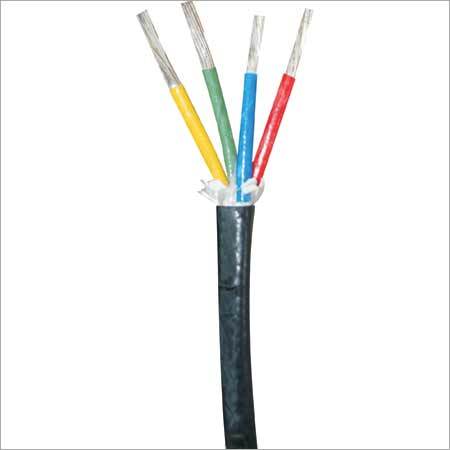
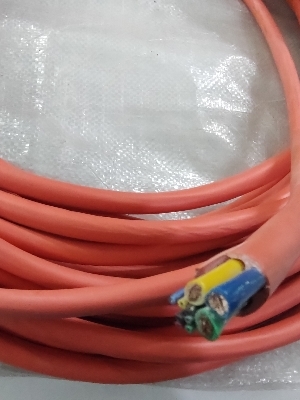
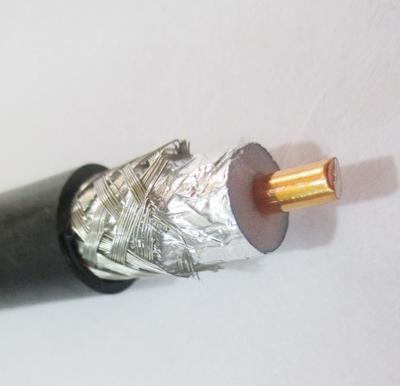
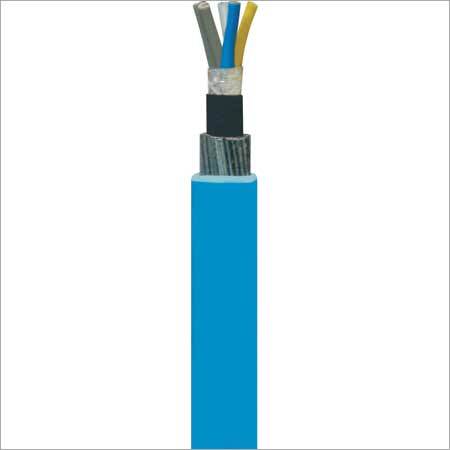
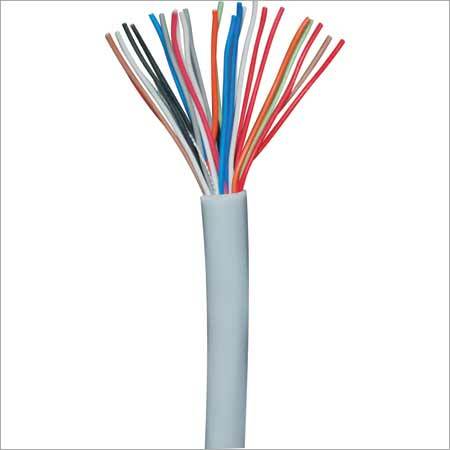
We offer high quality PTFE cables that are known for strength. These flame resistant PTFE cables are available in different types.
With the technical advancements in industry, we have been able to provide high quality PTFE Cable to a large number of clients in the global market. Our products are manufactured by the best available raw material in the industry. These products are used in industries such as : Defence, power, chemical & fertilizers, steel plants & various other type of Engineering industries.
Flame and Weather Resistant DesignOur PTFE cables are meticulously designed to meet strict IEC and UL flame resistance standards. Their remarkable resistance to heat, UV radiation, and ozone makes them ideal for challenging outdoor and industrial environments. This ensures long operational life and minimal risk of premature failure, even under the harshest conditions.
Exceptional Electrical and Chemical AttributesWith dielectric strength reaching up to 60 kV/mm and stable operating performance from DC up to 3 GHz, these cables cater to advanced electrical requirements. Their strong resistance against acids, alkalis, and oils provides uncompromised reliability, especially in chemical processing or laboratory settings. Negligible moisture absorption preserves insulation integrity over time.
Diverse Application Range and CustomizationPTFE cables are suited for aerospace, telecom, control systems, and instrumentation, supported by a wide array of conductor sizes, shielding types, and up to 61 cores per cable. Clients can specify sheath material, conductor type, color, and lengths from 1 up to 100 meters and above. Manufactured in India, these cables are available for both domestic and international export.
FAQ's of PTFE Cable:
Q: How do PTFE cables ensure flame resistance and comply with IEC & UL standards?
A: PTFE cables achieve excellent flame resistance due to PTFE's inherent non-flammability, meeting IEC and UL safety standards. This makes them suitable for high-risk sectors where flame retardance is critical, such as industrial, aerospace, and control panel applications.
Q: What advantages does the high dielectric strength of PTFE cables offer in electrical systems?
A: With dielectric strengths up to 60 kV/mm, PTFE cables provide robust insulation, safely managing high voltages while reducing the risk of breakdown. This protects sensitive equipment and ensures dependable energy transmission in both standard and demanding environments.
Q: When should PTFE cables be chosen for chemical-intensive or outdoor installations?
A: PTFE cables are highly recommended when installations involve exposure to acids, alkalis, oils, or harsh weather. Their chemical inertness and UV/ozone stability make them ideal for chemical plants, outdoor telecom circuits, and aerospace applications.
Q: Where are PTFE cables commonly used, and what customization options are available?
A: These cables are widely used in sectors like aerospace, telecom, instrumentation, and control panels. Customers can specify conductor size, sheath type (PTFE, FEP, or ETFE), cable length (from 1 to 100 meters+), shielding (braided or foil), color, and number of cores (1 to 61).
Q: What is the process for ordering PTFE cables in customized specifications?
A: Customers can provide detailed requirements-such as conductor material, size, type, insulation, color, and length. The manufacturer will then produce the cables according to these specifications, offering packing in rolls, coils, or drums, with possible export from India.
Q: How do PTFE cables benefit applications requiring repeated flexing and reliable insulation?
A: The high flexibility of these cables ensures they withstand repeated bending, making them reliable for moving machinery and control panels. Their non-toxic, RoHS-compliant properties and smooth, glossy finish offer extra value for safety-conscious and high-performance setups.
Q: What is the warranty policy, and how do the cables support voltage surges and high frequencies?
A: The manufacturer provides a warranty on PTFE cables, with coverage details available on request. These cables safely handle voltage surges up to 1200 V, operate at rated voltages from 250 to 1100 V, currents up to 30A (depending on size), and frequencies up to 3 GHz, accommodating a variety of advanced electrical and electronic systems.





 Send Inquiry
 Get Latest Price

